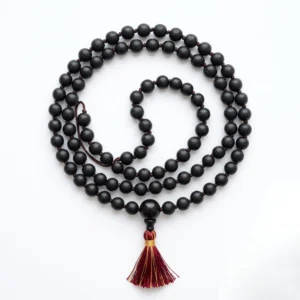
Karungali is the Tamil name for ebony wood, which is dark, dense and heavy. A mala made from it is called karungali mala or karungali malai. It is traditionally used in South Indian practice for japa and prayer, and is believed to help the wearer stay calm and focused.
This mala has 108+1 beads. In Hindu tradition, 108 is sacred, and one round of japa is 108 chants. The extra bead is the sumeru or guru bead. It marks the start and end of a round, so do not cross it. Turn the mala around. The 8mm beads are comfortable to hold while chanting.
Product Specifications
| Feature | Detail |
|---|---|
| Material | Karungali (Ebony Wood) |
| Bead Size | 8mm |
| Number of Beads | 108+1 (the extra bead is the sumeru or guru bead) |
| Colour | [colour, please confirm] |
| Certification | Lab certified ([certification name]) |
| Brand | Sanjeevni |
| Suitable For | Men and women |
This original karungali mala from Sanjeevni is lab certified and comes in an 8mm, 108+1 bead format.
Karungali Mala Benefits
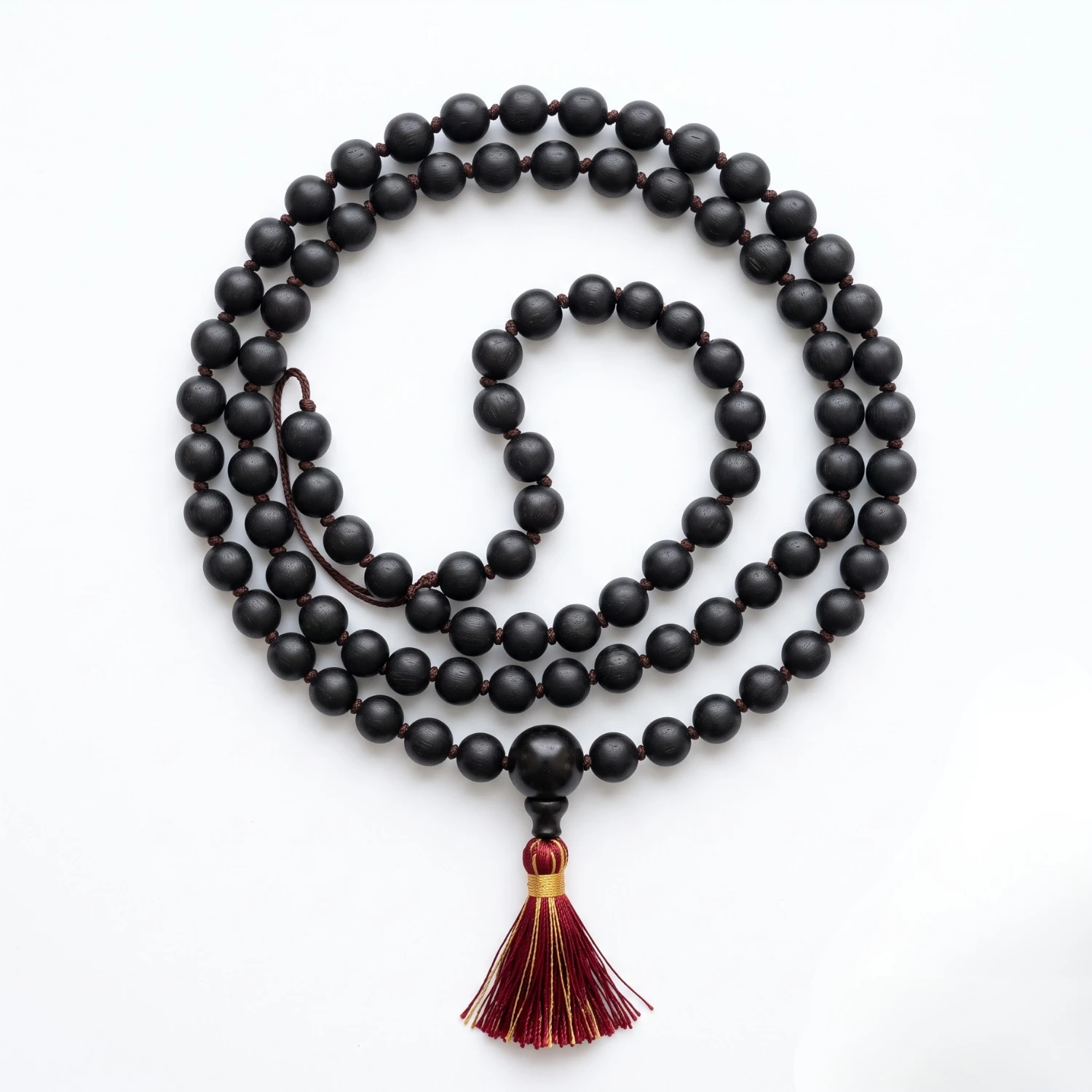
The benefits of karungali mala are spiritual and traditional in nature. They are based on belief and practice, not on proven results. An original karungali mala is traditionally believed to offer the following.
Focus during japa
It is believed to help the wearer stay focused while chanting and praying.
A calm state of mind
It is believed to support a sense of calm during daily prayer and meditation.
Spiritual discipline
Using the mala for regular japa is traditionally believed to help build a steady spiritual routine.
Protection from negative energy
Karungali is traditionally believed to guard the wearer from negative energy and the evil eye.
Link with Lord Shiva and Lord Shani
In South Indian practice, karungali is traditionally associated with both deities.
Who Can Wear and How to Use Karungali Mala
Who Can Wear Karungali Mala
Anyone with faith and respect can wear karungali mala, men and women alike. Can females wear karungali mala? Yes. Traditionally, no rule stops women from wearing or using it for japa.
Which Hand to Wear
No fixed rule says which hand or finger suits karungali mala; follow your family custom. Japa is done with the right hand, using thumb and middle finger, not index finger.
How to Identify Original Karungali Mala
These checks help you tell if a karungali mala is real or fake, but they are not final proof. Pat the bead dry after the water or rubbing test. The lab certificate is the most reliable proof. A price far below the original karungali mala price is a warning sign.
| Check | Original Karungali Mala | Fake Karungali Mala |
|---|---|---|
| Weight | Heavy and solid | Light |
| Water test | Usually sinks | Often floats |
| Colour | Natural dark brown to black, slightly uneven | Even, dyed or painted black |
| Wood grain | Fine grain may be visible | Little or no grain |
| Rubbing test | No colour comes off | Colour comes off |
| Certificate | Lab certificate with details you can check | No certificate |
| Price | Fair market price, such as ₹699 for this Sanjeevni mala | Far below the market rate |
How to Activate Karungali Mala

Choose a clean and calm time, such as the morning after your bath.

Wipe the mala gently with a clean, dry cloth.

Place the mala in front of your deity's picture or idol.

Light a lamp or incense stick if you usually do so during prayer. Then hold the mala in your right hand and sit calmly.

Chant your chosen mantra for one full round of 108 beads. Do not cross the sumeru or guru bead.

Close with a short prayer. Then wear the mala or begin your regular japa.
How to Identify Original Karungali Mala
- Wipe after use: Clean the mala with a soft, dry cotton cloth to remove sweat and dust.
- Keep it dry: Do not soak the mala. If it gets wet, pat it dry at once and let it air dry away from direct sun.
- Store it well: Keep the ebony wood mala in a clean cloth pouch or a small box, away from damp places.
Avoid heat and - Sunlight: Strong heat and long sun exposure can dry the wood and fade its natural dark colour.
- Keep it away from chemicals: Sprays, creams and cleaning products can harm the finish.
- Check the thread: Do not pull or stretch the mala. If the thread looks worn, get the mala restrung before it breaks.
Frequently Asked Questions
Q1: How to know if karungali mala is real or fake?
Ans: To confirm an original karungali mala, check that beads are heavy, usually sink in water, and leave no colour on a damp cloth. The lab certificate is the best proof.
Q2: How to activate karungali mala?
Ans: Activation is a traditional practice, not a requirement. Wipe the mala, place it before your deity, and chant your mantra for one round of 108 beads.
Q3: How much is the cost of original karungali mala?
Ans: This lab certified Sanjeevni karungali mala costs ₹699. The original karungali mala price depends on bead size and certificate, so be careful with prices far below market.
Q4: Which company karungali mala is best?
Ans: Choose a seller who offers a lab certificate and clear product details. Sanjeevni’s karungali mala is lab certified, 8mm, with 108+1 beads.
Q5: Can a karungali mala be worn every day?
Ans: Yes. Many people wear it daily, and others keep it only for japa. Keep it clean and treat it with respect.
Q6: Can females wear karungali mala?
Ans: Yes. Traditionally, no rule stops women from wearing karungali mala or using it for japa. Men and women wear it with the same care and respect.
Q7: What are the benefits of wearing karungali mala?
Ans: Traditionally, it is believed to help with focus during japa, a calm mind, and protection from negative energy. These are beliefs, not proven results.